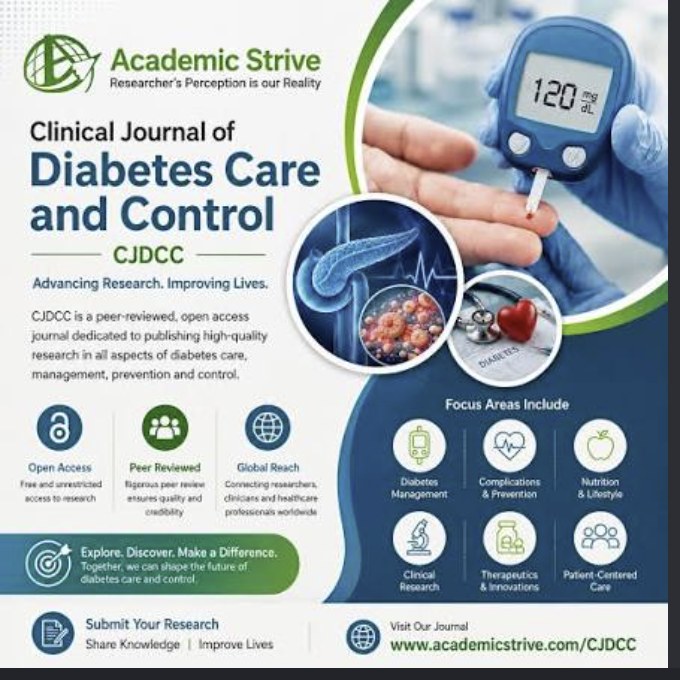
Guires has published a commentary, 'Availability and Access to Clinical Evidence for Medical Devices in Europe', authored by Dr Radhika Ganesan in the Clinical Journal of Diabetes Care and Control, drawing on our regulatory and clinical writing experience with medical device manufacturers.
As the paper puts it: “The health system decides the different kinds of technologies that can be used to treat disease, and there are several medical devices available at its cost. But medical devices have to undergo reviews before they are accessible to physicians, because of a lack of transparency in the clinical evidence for the device.”
Clinical evidence is what shows that a device is safe and performs as intended. When that evidence is hard to find or assess, reviews take longer, physicians have less to base their choices on, and patients may wait longer for technologies that could help them.
Medical devices have to undergo reviews before they reach physicians, because of a lack of transparency in their clinical evidence.
The paper looks at why availability of and access to clinical evidence matter for medical devices in Europe, and why greater transparency benefits manufacturers, regulators, health systems and patients.
Supporting manufacturers with clinical evidence is core to our work at Pepgra, from literature searches and clinical evaluation reports to regulatory writing and post-market surveillance. Read the full article, published in the Clinical Journal of Diabetes Care and Control (Vol. 2, Issue 3, December 2019), using the link on this page, and browse all our work in the Publications section.
Journal image courtesy of Academic Strive, publisher of the Clinical Journal of Diabetes Care and Control.